

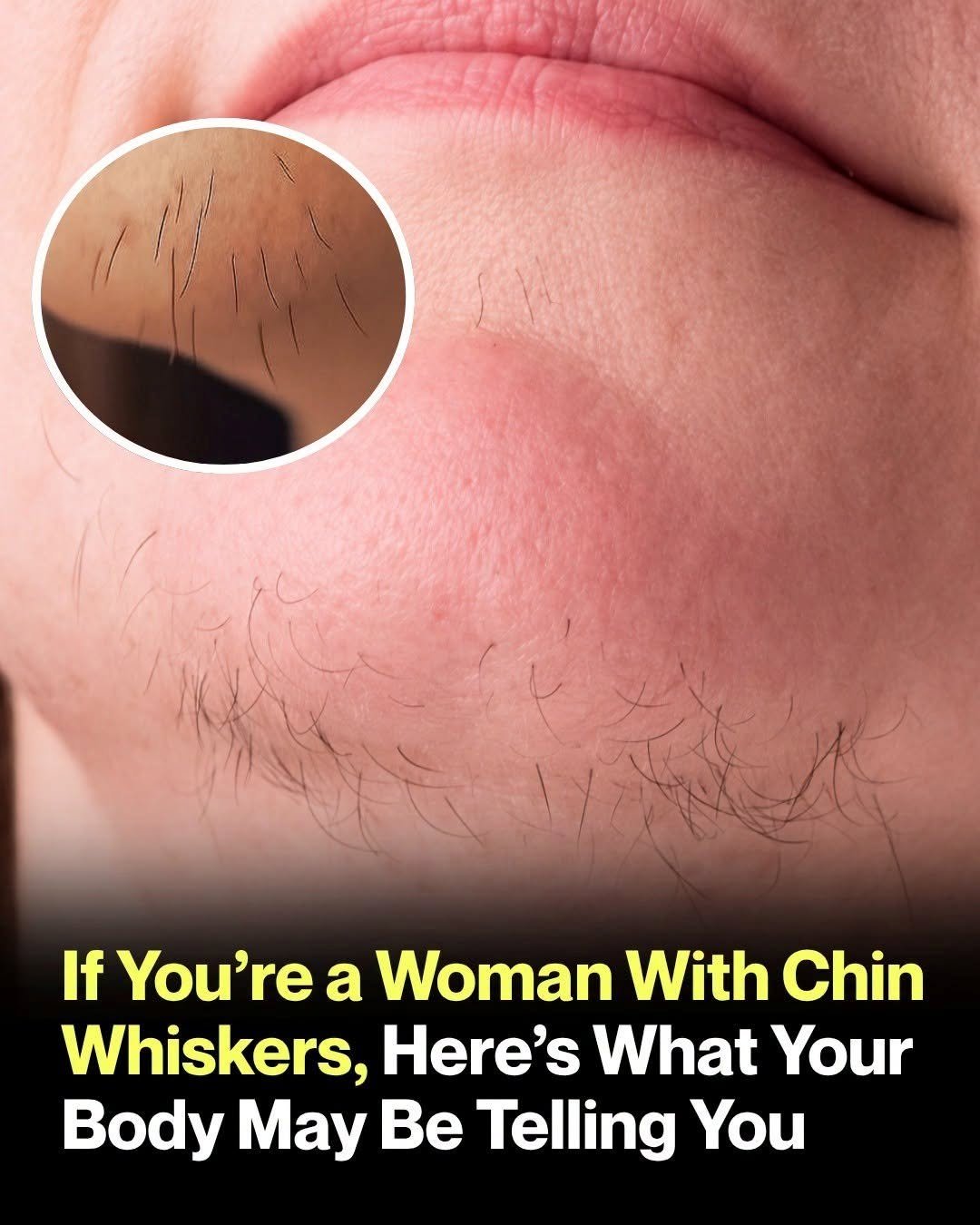
What About Chin Hair And Irregular Periods?
This combination deserves particular attention.
If coarse facial hair is accompanied by irregular, infrequent, or absent menstrual periods, it increases the possibility that an underlying hormonal condition may be involved.
PCOS is one common possibility, but it is not the only one.
A healthcare professional may ask about your menstrual history, when the hair growth began, medications, fertility concerns, acne, weight changes, scalp hair loss and family history.
Depending on the situation, hormone testing or other investigations may be recommended.
The goal isn’t simply to get rid of the hair.
It is to determine whether the hair is just a cosmetic concern or part of a health condition that should be addressed.
Does Shaving Make Chin Hair Grow Back Thicker?
No.
This is one of the most persistent hair-removal myths.
Shaving cuts the hair at the surface of the skin. It does not change the follicle underneath, increase the number of follicles or make your body produce more androgen.
Freshly shaved hair can temporarily feel thicker because its tip has been cut bluntly instead of tapering naturally.
That sensation can create the illusion that shaving has changed the hair.
It hasn’t.
So if shaving works well for you, there is no medical reason to avoid it because of fears that it will create more facial hair.
What Can You Do About Unwanted Chin Hair?
If your chin hair is medically harmless but cosmetically annoying, you have several options.
Simple techniques include shaving, tweezing, threading, waxing and depilatory creams. Some methods can irritate sensitive skin, so gentle technique and appropriate skin care are important.
Longer-lasting approaches include laser hair removal and electrolysis.
Laser treatment works by targeting pigment in the hair and generally works best on darker hairs. Multiple sessions are usually necessary, and facial hair in women may require ongoing maintenance.
Electrolysis treats individual follicles and can work on light-colored hairs that lasers do not target effectively. The American Academy of Dermatology notes that multiple treatments are required because hair grows in cycles.
For significant hirsutism related to androgen activity, treating the underlying hormonal problem may also reduce new hair growth.
Doctors may use hormonal medications in appropriate patients, but treatment depends on factors such as age, medical history, pregnancy plans and the underlying cause. The Endocrine Society recommends that medication choices for hirsutism be individualized and notes that some anti-androgen medicines require reliable contraception because of pregnancy-related risks.
These medications should never be started simply based on something you read online.

